







In the main street of the village the baker’s wife really couldn’t decide which animal she liked best.
Mrs Davies loved “Boy” her dog but the potters’ cat always made her laugh when he tried to charm cream from her by rubbing his soft fur on her leg.
Her husband, Davies the Dough, said, “The birds, sing the dawn chorus and keep me entertained while I am making the bread, they are my favourites.”
Mrs Davies made a tray of biscuits decorated like dogs, cats and birds. She thought she would take to church the shape that proved the most popular with her customers during the coming week. She enjoyed sampling and decorating the biscuits and they were all popular with the villagers.
In the weaver’s cottage the five Hopkins children were all squabbling over which animal was best. Mother had very little time to make models for each of them. She showed Angharad and Rhiannon the oldest girls how to make woolly pom-poms.
The children set to work using the wool left over from their parents’ weaving.
Mrs Davies loved “Boy” her dog but the potters’ cat always made her laugh when he tried to charm cream from her by rubbing his soft fur on her leg.
Her husband, Davies the Dough, said, “The birds, sing the dawn chorus and keep me entertained while I am making the bread, they are my favourites.”
Mrs Davies made a tray of biscuits decorated like dogs, cats and birds. She thought she would take to church the shape that proved the most popular with her customers during the coming week. She enjoyed sampling and decorating the biscuits and they were all popular with the villagers.
In the weaver’s cottage the five Hopkins children were all squabbling over which animal was best. Mother had very little time to make models for each of them. She showed Angharad and Rhiannon the oldest girls how to make woolly pom-
The Vicar’s Dove.
One Sunday six year old Tom ran home to his Grampy, “Gramp, guess what the Vicar has asked us to do?” he panted out. Grampy had not been well enough to attend morning service at St. Illtyd’s Church. “Reverend Lewis has asked everyone to bring a model of their favourite animal with them next week. The models must be small enough to fit into the palm of a hand”.
The people of the small country village seemed to discuss nothing else for the whole of the next week. Everyone you met in Abermelin was curious about the Vicar’s strange request. Even the congregation of Salem Chapel had heard about it.
The people of the small country village seemed to discuss nothing else for the whole of the next week. Everyone you met in Abermelin was curious about the Vicar’s strange request. Even the congregation of Salem Chapel had heard about it.
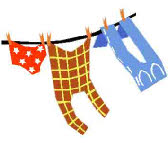
The women chatted about it as they fetched water from the pump in the crisp Autumn air.
At the back of their cottages as they hung out washing on their lines the women were t:alking
“Good morning, Mrs Davies. What are you cooking up for next Sunday?” called Mrs Hopkins to her neighbour.
Jolly Mrs Dilys Davies the baker’s wife held back the corner of a dripping sheet as she answered
“I can’t really make my mind up Mrs Hopkins. Have you got any ideas yet?”
“Indeed no. I’m hoping the children will have plenty”.
At the back of their cottages as they hung out washing on their lines the women were t:alking
“Good morning, Mrs Davies. What are you cooking up for next Sunday?” called Mrs Hopkins to her neighbour.
Jolly Mrs Dilys Davies the baker’s wife held back the corner of a dripping sheet as she answered
“I can’t really make my mind up Mrs Hopkins. Have you got any ideas yet?”
“Indeed no. I’m hoping the children will have plenty”.
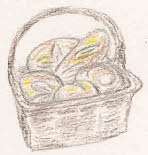
Groups of people gossiped at the bakery.
“Hello, Mrs Jones, nice day isn’t it?”
“Good to see you in church yesterday, ladies. Crusty loaf please Dilys” joined in Mrs Morris.
“What do you think Vicar wants the animals for?” asked Mrs Davies as she wrapped the crusty loaf for her latest customer.
“It isn’t Christmas but perhaps he is making a collection of toys for some special good cause.” Mrs Jones the Milk answered as she hurried out of the shop.
“Hello, Mrs Jones, nice day isn’t it?”
“Good to see you in church yesterday, ladies. Crusty loaf please Dilys” joined in Mrs Morris.
“What do you think Vicar wants the animals for?” asked Mrs Davies as she wrapped the crusty loaf for her latest customer.
“It isn’t Christmas but perhaps he is making a collection of toys for some special good cause.” Mrs Jones the Milk answered as she hurried out of the shop.
The men also talked about the project over their beer at the pub.
“Going to the game Saturday, Gwilym?”
“No. My wife says I’ve got to help the children with this challenge of the Vicar’s. What do you think he is up to?” replied the little milkman.
They thought that perhaps Reverend Lewis was planning a craft exhibition, but these were usually part of the summer fete. What was Rev. Lewis Lewis up to?
Even the children in the playground discussed the Vicar’s strange request. “I wonder how I can make a dog.” said Tom wistfully. “I’m going to make a much bigger animal than a dog”. Boasted Marc Hopkins. None of the children could even guess why Reverend Lewis wanted the animals, but they thought it was fun planing how to make their own favourite. It certainly was different.
Reverend Lewis just smiled knowingly when he met anyone that week and strangely no one thought to ask him directly about it.
Yes the villagers were all curious about the vicar’s request but they set to work, each using his or her own special skill to make a model.
“Going to the game Saturday, Gwilym?”
“No. My wife says I’ve got to help the children with this challenge of the Vicar’s. What do you think he is up to?” replied the little milkman.
They thought that perhaps Reverend Lewis was planning a craft exhibition, but these were usually part of the summer fete. What was Rev. Lewis Lewis up to?
Even the children in the playground discussed the Vicar’s strange request. “I wonder how I can make a dog.” said Tom wistfully. “I’m going to make a much bigger animal than a dog”. Boasted Marc Hopkins. None of the children could even guess why Reverend Lewis wanted the animals, but they thought it was fun planing how to make their own favourite. It certainly was different.
Reverend Lewis just smiled knowingly when he met anyone that week and strangely no one thought to ask him directly about it.
Yes the villagers were all curious about the vicar’s request but they set to work, each using his or her own special skill to make a model.
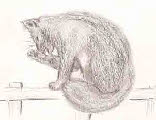
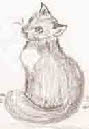
The potter had no trouble deciding which animal to choose. He smiled at Garth his lovely pet as he shaped a ball of clay into a series of tiny cats.
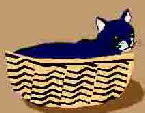
There was a sleeping cat curled in a basket. Next was a leaping cat complete with tiny mouse. Another was a playful cat with a ball, and finally of course a sitting cat that looked just like his own cat sitting in his favourite place on the roof.Mr Jenkins the potter would choose which to take to church after they had been fired in the kiln.
There was a sleeping cat curled in a basket. Next was a leaping cat complete with tiny mouse. Another was a playful cat with a ball, and finally of course a sitting cat that looked just like his own cat sitting in his favourite place on the roof.Mr Jenkins the potter would choose which to take to church after they had been fired in the kiln.
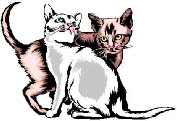
A small grey ball fixed to a slightly bigger one with a tiny white pom-pom soon looked like a rabbit. All it needed extra was two little felt ears and a felt scraps for eyes and mouth. Angharad gave the little rabbit to three year old Gwen. Angharad of course made herself a realistic bee by winding layers of yellow and black wool in her pom-pom.

Rhiannon made two yellow pom-poms which she nimbly tied together. By adding some threads of orange she soon had a nice toy. It looked like one of the ducklings on the mill pond. The duckling was given to baby Megan and became a firm favourite with her. For herself Rhiannon Hopkins made a fat ginger cat.

The only boy in the family, five year old Marc, decided to keep his model secret from his sisters but he took a ball of grey wool and a handful of his fathers’ pipe cleaners into the bed room and was soon busy.
Yes the weavers’ children knew exactly what they would take to church the next week.
Yes the weavers’ children knew exactly what they would take to church the next week.
At the smithy Dewi Thomas the blacksmith quickly decided to make a miniature version of one of the weather vanes he had made. His weather vanes could be seen on several roofs over the village. The first one he had made was on the school in front of the church. This was his favourite weather vane and was shaped like a wise owl.
The smith made a few practice owls. One with both eyes open, one with both eyes closed, one with the right eye winking and one with the left eye closed.
It took a long time before he was happy about which one he thought good enough for the church.
The smith made a few practice owls. One with both eyes open, one with both eyes closed, one with the right eye winking and one with the left eye closed.
It took a long time before he was happy about which one he thought good enough for the church.
At last Sunday came again. The congregation could not wait to find out why Rev. Lewis had made his strange request. Nor could they wait to show everyone what they had brought to service.
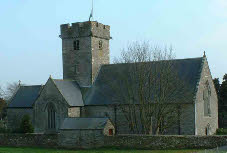
The village church was a big grey stone building with a stout bell tower in the centre of its cruciform shape. It had stood just north of the main village street for hundreds of years.
The children met their friends outside the school on their way to service. The school was just in front of the church indeed one of the old teachers Miss Rees lived in the original Vicarage.
The village church was a big grey stone building with a stout bell tower in the centre of its cruciform shape. It had stood just north of the main village street for hundreds of years.
The children met their friends outside the school on their way to service. The school was just in front of the church indeed one of the old teachers Miss Rees lived in the original Vicarage.
Marc Hopkins at last showed everyone his model. It was a lovely little grey donkey. He had made it by winding the wool around the pipe cleaners, and looked just like Idwal the dear old donkey which grazed in a meadow along the footpath between the farm and the school.
When the time came for the Vicar’s sermon Reverend Lewis drew up a chair on the chancel steps and sat down. He asked the children to bring their hassocks to sit on in front of him, and to bring their little animal. Tom started to cry because he had forgotten his animal but the baker’s wife gave him a spare dog shaped biscuit.
The vicar told the congregation that today, the 4th of October, was St. Francis of Assisi’s day. He told everyone how the saint had been born the son of a rich cloth merchant, how he had denounced his riches and had dressed simply in a coarse brown garment and had started to rebuild a ruined church single handed and how other men had joined him. The brothers had lived in huts and had gone out every day to preach and help the sick.
Brother Francis had respected of all God’s creation, and he called the animals and birds his brothers and sisters. One day Brother Francis met a young man taking doves to the market to sell for food.
“Give me those gentle birds, for they are pure and holy: don’t kill them” he pleaded.
The young man gave the doves to Francis he took them home and cared for them. Soon they were so tame they ate from his hand showing no fear.
Saint Francis of Assisi had been an example to us all.
When he had finished talking he told the children to put their models on top of the font.
When the time came for the Vicar’s sermon Reverend Lewis drew up a chair on the chancel steps and sat down. He asked the children to bring their hassocks to sit on in front of him, and to bring their little animal. Tom started to cry because he had forgotten his animal but the baker’s wife gave him a spare dog shaped biscuit.
The vicar told the congregation that today, the 4th of October, was St. Francis of Assisi’s day. He told everyone how the saint had been born the son of a rich cloth merchant, how he had denounced his riches and had dressed simply in a coarse brown garment and had started to rebuild a ruined church single handed and how other men had joined him. The brothers had lived in huts and had gone out every day to preach and help the sick.
Brother Francis had respected of all God’s creation, and he called the animals and birds his brothers and sisters. One day Brother Francis met a young man taking doves to the market to sell for food.
“Give me those gentle birds, for they are pure and holy: don’t kill them” he pleaded.
The young man gave the doves to Francis he took them home and cared for them. Soon they were so tame they ate from his hand showing no fear.
Saint Francis of Assisi had been an example to us all.
When he had finished talking he told the children to put their models on top of the font.
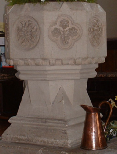
Soon you could not see the polished wood cover of the great stone font. It was covered with the best set of hand crafted animals the villagers had been able to create.
The animals created a patchwork of colour against the grey stone. Rhiannon’s bright orange cat sat between the Llewellyn twins’ blue tit and bright red robin and these were surrounded by the rabbit and the little donkey but not the woolly duckling as baby Megan just held it too tight to let her sisters put it with the rest.
The vicar followed the children to the font and just found room to add his own effort to the collection.
The animals created a patchwork of colour against the grey stone. Rhiannon’s bright orange cat sat between the Llewellyn twins’ blue tit and bright red robin and these were surrounded by the rabbit and the little donkey but not the woolly duckling as baby Megan just held it too tight to let her sisters put it with the rest.
The vicar followed the children to the font and just found room to add his own effort to the collection.
His was a white dove made from a curly dog whelk shell and two spread cockle shell wings. As he pronounced the blessing on the congregation and all God’s animals, his “amen” was echoed by a dove cooing high in the belfry above the church.
As they left the church the villagers chatted among themselves. Many thanked the Vicar for the sermon that he had so cleverly illustrated. The Vicar, like everyone in the village, had enjoyed preparing for, and taking part in the celebration of St. Francis’ day.
Some people said that they had discovered new hobbies. One Gran had made a patchwork mouse and a child had proudly made a plasticine snail carefully curling a long sausage into shape.
Each trader proudly told how sales had been boosted in the village.
The potter said that nearly everyone who had called for a new jug, sugar bowl or pot had been charmed by the pottery cats and many had bought one of the ornaments. The metal owls too, soon left with new owners from the blacksmiths’ workshop.
It was the same at the weaver’s cottage. Many a toy rabbit had been bought for nieces and nephews along with the blankets and shawls. Of course the bakery had soon sold out of dog, cat and bird biscuits.
Only Reverend Lewis Lewis noticed the white doves still nestling in the belfry cooing softly to the village..
As they left the church the villagers chatted among themselves. Many thanked the Vicar for the sermon that he had so cleverly illustrated. The Vicar, like everyone in the village, had enjoyed preparing for, and taking part in the celebration of St. Francis’ day.
Some people said that they had discovered new hobbies. One Gran had made a patchwork mouse and a child had proudly made a plasticine snail carefully curling a long sausage into shape.
Each trader proudly told how sales had been boosted in the village.
The potter said that nearly everyone who had called for a new jug, sugar bowl or pot had been charmed by the pottery cats and many had bought one of the ornaments. The metal owls too, soon left with new owners from the blacksmiths’ workshop.
It was the same at the weaver’s cottage. Many a toy rabbit had been bought for nieces and nephews along with the blankets and shawls. Of course the bakery had soon sold out of dog, cat and bird biscuits.
Only Reverend Lewis Lewis noticed the white doves still nestling in the belfry cooing softly to the village..

Ruck-roo, ruck-roo
I’ll sing for you
Yes me the gentle dove.
Ruck-roo, ruck-roo
I’ll sing for you
About a great Saint’s love.
Yes me the gentle dove.
Ruck-
About a great Saint’s love.

Written by and
© Copyright of
Mrs Hazel McMullin
© Copyright of
Mrs Hazel McMullin